
Beyond the Digital Brochure: How Modern Websites Generate Real Revenue

Share
Most business owners look at their monthly hosting bill and see an expense. They see a line item that takes money out of the bank without understanding how to bring it back in. In the early days of the internet, a website was little more than a digital business card. It existed to tell people you were there, but it did not actually do anything. Today, that perspective is not just outdated, it is expensive. A website is not a static document. It is a piece of software that should be working for you twenty four hours a day.
A business owner looking at his monthly hosting bill with a frustrated, discouraged, and sad expression.
When we talk about whether websites make money, the answer is a resounding yes. However, the way they make money has shifted from simple traffic counts to complex, high value interactions. Whether you are a small local business or a growing tech startup, your digital presence should be a primary driver of your bottom line. If it is not, you are likely treating your site like a brochure instead of a tool. Moving from a cost center to a profit center requires a shift in how you view your digital architecture and your user experience.
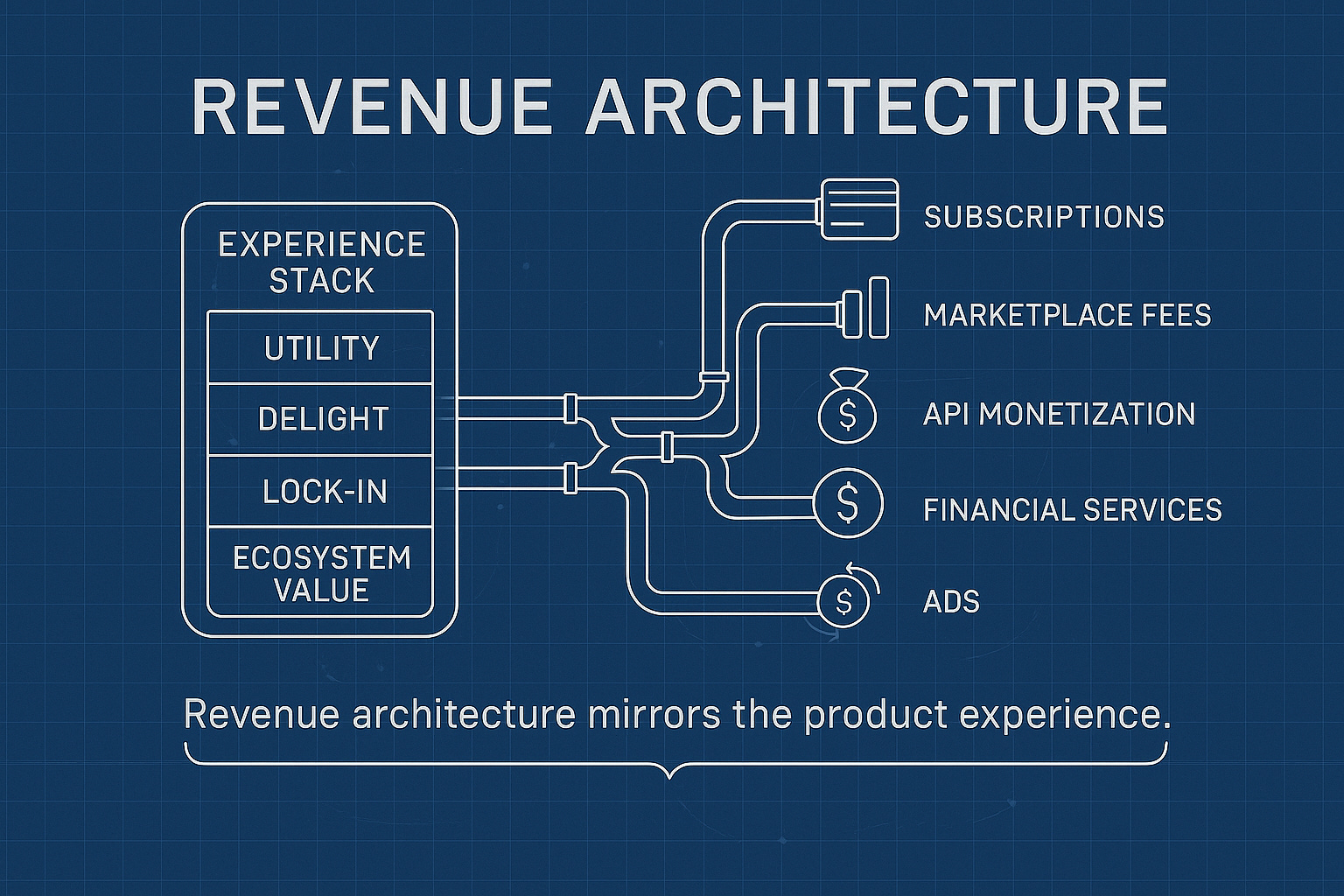
Websites generate revenue through direct sales, lead generation, and recurring memberships. To move from an expense to an asset, a site must be built with clear conversion goals and technical excellence. Success depends on treating your website as a living piece of software that scales with your business needs rather than a static page.
What This Article Covers
- The fundamental shift from digital brochures to digital assets
- Direct revenue models: E-commerce and digital products
- Indirect revenue models: Lead generation and authority building
- Recurring income through memberships and SaaS models
- The technical foundations that allow a website to scale
- Why maintenance and engineering strategy are vital for long term profit
The Myth of the Passive Website
There is a common misconception that once a website is launched, the work is done. This is where many businesses fail. To understand how a website makes money, you first have to understand the hidden difference between having a website and owning a digital asset. A digital asset is designed to grow in value. It is built on a foundation that allows for data collection, user engagement, and measurable returns. A brochure just sits there. An asset works.
Making money online is rarely about luck. It is about building a system that guides a user from curiosity to a transaction. This system requires a deep understanding of your audience and a technical stack that does not break under pressure. When a site is slow, clunky, or confusing, it is not just a bad user experience. It is a direct loss of revenue. Every second of delay in page load time can reduce conversions significantly. This is why engineering quality is inseparable from business success.
Direct Revenue: E-commerce and Beyond
An eCommerce website displaying numerous products.
The most obvious way a website makes money is by selling things. E-commerce has evolved far beyond simple product listings. Today, high performing online stores use data to predict what a customer wants before they even know it themselves. Whether you are selling physical goods or digital downloads, the goal is to remove every possible friction point between the user and the "Buy" button.
The Power of Frictionless Transactions
When you build a custom e-commerce solution, you have total control over the checkout flow. This is where many generic platforms fail. They force users through unnecessary steps. A site that makes money is one that allows for one click purchases, remembers user preferences, and offers secure, local payment gateways. For businesses in emerging markets, integrating reliable payment systems is the difference between a completed sale and a bounced visitor.
Digital Products and Services
You do not need a warehouse to make money. Digital products like software, ebooks, or online courses have nearly zero marginal cost after the initial development. Once the system is built, selling to the thousandth customer costs you almost nothing compared to the first. This is the definition of scalability. By leveraging a well engineered platform, you can serve a global audience without increasing your overhead linearly.
Indirect Revenue: Lead Generation and Trust
Not every website sells a product directly. For many service based businesses, the website is the primary engine for lead generation. If you are a consultant, a law firm, or a specialized engineering agency, your site makes money by convincing high value clients to pick up the phone or fill out a form. This is indirect revenue, and it is often much more lucrative than small e-commerce transactions.
If your site is not performing this task, you need to ask: is your website chasing clients away? High ticket clients look for authority and professionalism. They want to see that you understand their problems. A well structured site uses case studies, white papers, and clear calls to action to build this trust. Every lead that comes through your site has a specific acquisition cost. If your site is optimized, that cost goes down, and your profit margins go up.
The Recurring Revenue Model: Memberships and SaaS
The holy grail of online business is recurring revenue. Instead of fighting for a new sale every month, you build a platform that users pay for on a regular basis. This could be a membership site providing exclusive content or a Software as a Service (SaaS) platform that solves a specific business problem. These models require a higher level of technical sophistication because they involve user accounts, subscription management, and continuous value delivery.
From an engineering perspective, building a membership site means focusing on security and state management. You need to ensure that only paying members can access certain features while keeping the system fast for everyone. Using modern frameworks like TypeScript and React allows developers to create these dynamic experiences efficiently. Below is a simple conceptual example of how a system might check for a user's subscription status before allowing access to a premium resource:
typescriptinterface User {
  id: string;
  name: string;
  subscriptionStatus: 'active' | 'inactive' | 'trial';
}

function canAccessPremiumContent(user: User): boolean {
  // Only active subscribers get the high-value content
  if (user.subscriptionStatus === 'active') {
    return true;
  }

  console.warn(`Access denied for user ${user.id}: Subscription is ${user.subscriptionStatus}`);
  return false;
}
This logic is the heartbeat of a subscription business. If it fails, you lose money or you give away your value for free. Both are bad for growth.
Ad Networks and Affiliate Marketing
For content heavy websites like blogs or news portals, money often comes from traffic. By hosting advertisements through networks like Google AdSense or through direct sponsorships, a site can monetize the attention it captures. Affiliate marketing is another powerful tool where you earn a commission for recommending products or services. While this sounds simple, it requires a massive amount of high quality, SEO optimized content to be sustainable.
To succeed here, you must follow established web standards and accessibility guidelines. Search engines prioritize sites that are easy to crawl and provide a good user experience. This means your technical SEO must be flawless. Using correct schema markup helps search engines understand your content better, which leads to higher rankings and more traffic. More traffic, in turn, leads to more ad impressions and higher revenue.
The Technical Foundations of a Profitable Site
You cannot build a high revenue business on a shaky foundation. This is where many founders make mistakes. They focus on the visual design while ignoring the underlying architecture. When we look at what no one tells you about building scalable tech products, the focus is always on resilience. A profitable website must be able to handle a sudden spike in traffic without crashing. It must be secure enough to protect user data and fast enough to keep users from leaving.
Speed is Currency
In the digital world, speed is literally money. Google has made it clear through their Core Web Vitals that performance is a ranking factor. A site that takes five seconds to load will lose more than half of its mobile visitors. If those visitors were potential customers, your slow site is costing you fifty percent of your potential revenue. Engineering excellence ensures that your code is optimized, your assets are compressed, and your delivery is global.
Security and Trust
If a user does not trust your site, they will never enter their credit card details. Security is not just a technical requirement. It is a business necessity. Using HTTPS, implementing robust authentication, and following data protection regulations are all part of building a profitable site. One security breach can destroy a brand's reputation and lead to massive financial losses. This is why investing in professional development and secure coding practices is never a waste of resources.
Avoiding the Money Pit: Maintenance and Strategy
Building a website is just the beginning. The real cost often comes from poor initial decisions that lead to technical debt. We often discuss the silent cost of bad software decisions. If you build your site on an inflexible platform or use poorly documented code, you will find it increasingly difficult and expensive to add new features. Eventually, the cost of maintaining the site exceeds the revenue it generates.
Strategic maintenance is about more than just fixing bugs. It is about continuous improvement. It involves looking at your analytics to see where users are dropping off and making incremental changes to improve the flow. It means keeping your dependencies updated to avoid security vulnerabilities. A website that makes money is one that is constantly being refined based on real world data.
Why Most Websites Fail to Monetize
Many websites fail to make money because they lack a clear purpose. They try to be everything to everyone and end up being useful to no one. To truly monetize a digital presence, you need to identify your core value proposition. Are you saving your customers time? Are you providing entertainment? Are you solving a complex technical problem? Once you know the answer, every element of your site should point toward that goal.
Another common failure point is ignoring the local context. Especially in diverse markets, understanding how users interact with technology is vital. For example, why 90% of digital products fail in Africa often comes down to a lack of understanding of local constraints like data costs or payment preferences. A successful, profitable website is one that is built for its specific audience, not a generic template.
Conclusion: Turning Your Vision into Value
A website can be one of the most powerful financial tools in your arsenal. It can automate your sales, generate high quality leads, and build a community of loyal customers. But this does not happen by accident. It requires a combination of clear business strategy and expert engineering. When you stop looking at your website as a static page and start seeing it as a dynamic engine for growth, the possibilities for revenue are virtually limitless.
Building a site that truly performs takes more than just a few hours of coding. It takes a partner who understands the intersection of technology and business growth. Whether you are starting from scratch or need to breathe new life into an existing platform, the right expertise makes all the difference.
At FuturrNovate, we specialize in building, revamping, and maintaining digital assets that actually work. We do not just build websites. We create the technical foundations for your future growth. From custom e-commerce solutions to scalable membership platforms and continuous performance optimization, we are here to ensure your digital presence is your most profitable employee. If you are ready to turn your website into a high performing revenue machine, let us build the future together.
Published in Digital Transformation
Share your thoughts
Read Next
The Hidden Difference Between Having a Website and Owning a Digital Asset
Stop treating your online presence as a brochure. Learn how to transform a simple website into a high-value digital asset that drives business growth.

Is Your Website Chasing Clients Away? How to Turn Your Digital Presence Into a Lead Machine
Discover how slow speeds, poor SEO, and weak UX drive customers to your competitors and how to transform your site into a high-performing digital asset.
Stay ahead of the curve.
Get the latest insights on AI, Tech, and Design delivered to your inbox.